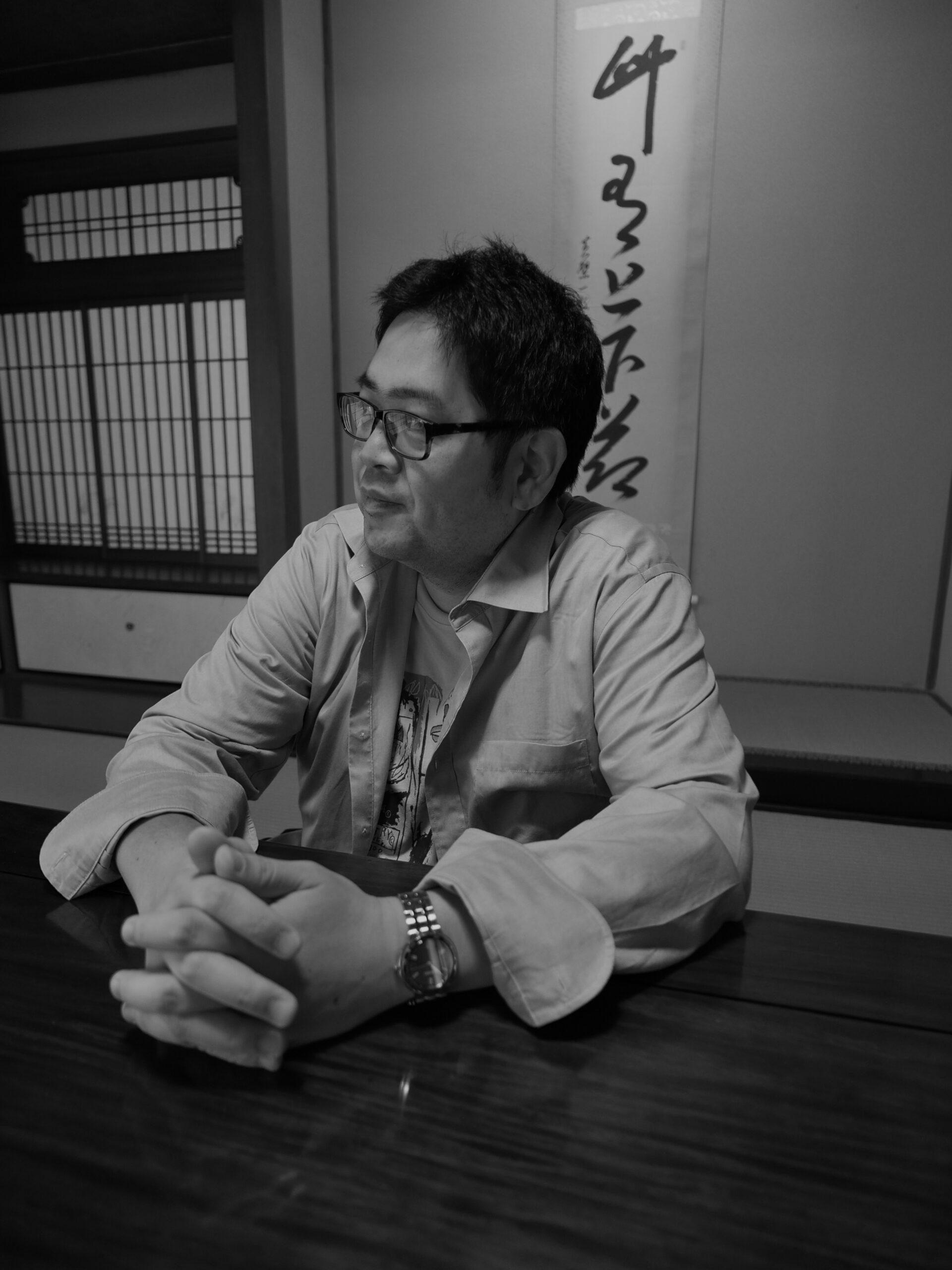
朝比奈 幸太郎
音楽大学にて民族音楽を研究し、卒業後はピアニストとして活動。
北欧スウェーデンでの即興演奏研究、ドイツ・ケルンでのアルバム制作活動を経て、現地ドイツにて Stephan Desire 氏より音響学の基礎を学ぶ。
帰国後は「金田式DC録音」の第一人者・五島昭彦氏に師事し、芸術工房 Pinocoa を結成。
アルゼンチンタンゴ、クラシック、古楽など世界の様々な作品制作をプロデュース。
さらに、C言語・GPS技術(株式会社ジオセンス・小林一英氏)、映像技術(村上アーカイブス・村上浩治氏)を習得し、「音・映像・テクノロジー」を横断するクリエイターとして独自の制作スタイルを確立。
現在はヴィンテージ機材(Revox等)のレストアや、オリジナルマイクの開発・製造も手掛け、金田明彦氏の発明した「金田式DC録音技術」を再探求。
2023年より、音の純度とヒーリング効果を科学するブランド Curanz Sounds を始動。
2025年、究極の静寂と音響空間を求め、拠点を神戸から北海道へ移転。芸術と科学の境界線を探求し続けている。
Kotaro Asahina
After studying ethnomusicology at a music university, Kotaro began his career as a pianist. Following research into improvisation in Sweden and album production in Cologne, Germany, he studied the fundamentals of acoustics under Stephan Desire in Germany.
Upon returning to Japan, he studied under Akihiko Goto, the leading expert in “Kaneda-style DC Recording.” He then formed the Art Studio Pinocoa, producing various works including Argentine tango, classical, and early music.
He established a unique production style crossing “Sound, Video, and Technology” by mastering programming and video technologies from leading experts.
Currently, he restores vintage equipment and develops original microphones. In 2023, he launched “Curanz Sounds” to explore the science of sound purity and healing effects.
In 2025, seeking ultimate silence, he relocated from Kobe to Hokkaido. He continues to explore the boundaries between art and science.
Kotaro Asahina
Tras estudiar etnomusicología, comenzó su carrera como pianista. Después de investigar la improvisación en Suecia y producir álbumes en Alemania, estudió los fundamentos de la acústica con Stephan Desire.
Al regresar a Japón, estudió bajo la tutela de Akihiko Goto, experto en “Grabación DC estilo Kaneda”. Formó el Taller de Arte Pinocoa y estableció un estilo único cruzando “Sonido, Video y Tecnología”.
Actualmente, se dedica a la restauración de equipos vintage y al desarrollo de micrófonos. En 2023 lanzó “Curanz Sounds” para explorar la ciencia del sonido curativo.
En 2025, buscando el silencio absoluto, se trasladó a Hokkaido. Continúa explorando los límites entre el arte y la ciencia.